Artificial intelligence is transforming how companies bring in customers, develop content, evaluate analytics, and build their on-line existence. New innovations are reforming traditional seo (Search engine optimization) and digital marketing, with AI running search engines and automated advertising, and also creating more customised experiences for consumers. Competition is stiff, and companies are relying on AI devices as they intend to discover even more concerning consumers, develop targeted marketing campaigns, and optimize their performance online.
That said, expanding AI utilization doesn’t indicate SEO & digital advertising will diminish in significance. Conversely, both are simply adapting to new search experiences, demand shifts & automated intelligence. For companies to stay ahead of the competition, they’ll have to leverage the best of AI along with great content, creative thinking, technical teams, & customer-centric approaches.
How AI Growth Is Shaping the Future of SEO and Digital Marketing
The exponential growth of artificial intelligence is opening new avenues of potential in the technology and digital economy of the world. Expert Market Research reports that the global market for artificial intelligence was estimated at USD 3.19 trillion in 2025 and the market is projected to rise to a value of USD 52.80 trillion by 2035 at a CAGR of 32.40% between 2026-2035. The market for artificial intelligence is growing rapidly in the fields of advertising, e-commerce, business services, and digital communication.
This is relevant in both SEO and digital marketing because it is an indication of how AI is changing the way consumers will discover, digest and be fed information online. Search engines are already rolling out generative AI components that answer questions directly in results, and in digital marketing, ML is being employed to automate bidding and target audiences and optimise campaigns. Businesses can use AI analytics to identify what consumers care about and which campaigns are most effective to serve better marketing.
There’s little stopping AI from having a bigger impact on digital marketing. As AI tech continues to become more accessible, digital marketing is becoming more automated, personalised and data-driven – but you’ll also need to optimise your SEO to get found in standard SERPs and AI search engines alike.
How AI Is Transforming Traditional SEO
Classic SEO focuses on generating visibility through writers, optimizers, and other methods which together produce content. The involvement of AI enables marketers to grasp user intent, sift through large amounts of data, and determine opportunities.
Some major changes include the following:
AI keyword research: AI instruments allow the analysis of user behavior, search queries, and search trends.
Search intent analysis: Machine learning helps marketers assess what information users are seeking.

Content optimization: Platforms powered by AI analyze structure, usability, content categories, and coverage of the topic.
Technical SEO analysis: Tools can reveal what is wrong in terms of broken links, user experience, and potential problems.
Predictive analysis: AI can help anticipate new trends and suit audience needs.
Thus, the overall efficiency of SEO processes is increasing. However, recommendations generated by the technology still require their verification by humans to make sure the content is correct, useful, original, and aligned with search intentions.
The Role of AI Search Engines in the Future of SEO
The search engines are starting to provide alternatives to conventional solutions that focus only on listing the website URL. There are options like Google AI Overview that utilize AI in searching. With these tools, users will no longer search through numerous websites looking for the necessary information.
The new models create both difficulties and opportunities for businesses that will need to make their website texts optimal not only to reach the highest positions but also in the tools using AI.
Multiple issues will affect the search engine optimization approaches in this changing world of search:
Conversational queries: More and more users ask detailed questions in everyday language instead of searching for short keywords.
AI-based answers: The platforms for searching can combine different information sources and change the way users search.
Authority about the subject: The websites which constantly provide quality information and good organization can make their reputation in the subject.
Structure of content: The web pages that use headings, explanations, FAQ, and structured data are easier for the search engines to interpret the information about them.
Brand awareness: Companies will need to create brand awareness in various publications, sites, and other reliable sources.
These changes also lead to increased interest in GEO – Generative Engine Optimisation aimed at promoting brands on the AI-search and answer platforms.
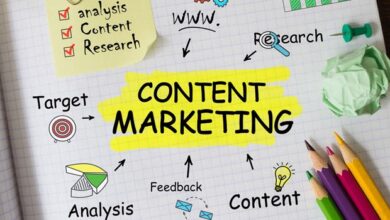
How Generative AI Will Change Content Marketing
Content marketing is yet another field where significant transformations influenced by the advent of AI can be seen. Companies can now employ generative AI tools to come up with content ideas, draft texts, study competitors, and follow the content production process. Such technology allows companies to save a great deal of time on mundane processes and handle massive content operations.
- Nevertheless, the development of AI-based content means more and more competitors are trying to gain consumers’ attention. The chance that many boring and similar reports will allow them to beat rivals seems rather slim. Thus, companies need to create unique material that is valuable, informative, and attractive for customers.
- The future of content marketing will hinge upon the following:
- Content written by people: Marketers are likely to combine research and writing made with the use of AI and expertise of a man who can evaluate and analyze the results.
- Customized content for each client: Companies will be able to provide their consumers with personalized information depending on the data received from the customer base.
- Use of videos, podcasts, and infographics: Visual materials will become a powerful tool of communicating with various types of consumers.
- Measuring content effectiveness: Thanks to the data provided by AI tools, marketers will know what content resonates with their audiences.
- First-hand information: Valuable contents will differ from those generated by machines because they will be based on opinions of real people.
The Growing Importance of Data-Driven Digital Marketing
Artificial intelligence is helping businesses handle large amounts of customer data and campaign data more efficiently. Marketing teams can utilize the data obtained through AI to find out customer buying habits, identify target audiences, and analyze the effectiveness of advertisement channels.
Previously, companies would depend on historical reports as well as manual analysis to base their decisions regarding the marketing campaigns. AI technologies allow for a quicker analysis of customer behavior and identification of certain trends.
To depict the benefits of data-driven marketing, let us consider an example. An e-commerce organization may follow clients’ activities on the web and make tailored suggestions. Similarly, digital advertisers have the advantage of using automated bidding systems, which can help them adjust their campaigns with the help of certain data about their advertising efforts.
The rise of usage of data-driven marketing means that new possibilities are coming for the following areas:
Segmentation of customers: Segmenting clients into different groups based on their preferences, demographic data, and online activities.
Predictive analysis: Recognizing the demands of clients with the aim to predict their behavior in the future.
Automatization of advertisement: Enhancing functionality of campaigns through the help of automation of bidding and targeting.
Optimization of conversion: Studying the behavior of customers in order to reveal the reasons they do not finish buying their products.
Measuring effectiveness: Measuring the effectiveness of campaigns in terms of engagement and conversion of customers.
The results show that companies should use collected information in a responsible way to comply with laws about personal information.
How Social Media Marketing Will Evolve After AI
Platforms of social media have developed into vital channels for product discovery, communication with the brand, and customer engagement. The arrival of artificial intelligence has changed how businesses work with such platforms. With the help of AI, they will be able to discover how to recommend content, analyze the audience, optimize advertising, and interact with customers.
In the future, we can expect businesses to use AI tools even more frequently in order to detect trending topics, find the best variants of content, and manage communication in different social media channels.
Some key advancements include:
AI-based content recommendations: Algorithms used by platforms to determine which content interests users based on their behavior and activities.
Identifying influencers: Brands following the trend in the interaction of marketers with influencers can appraise influencers according to the audience parameters, level of involvement, and performance of campaigns.
Customer service automation: Various automated systems aimed at providing solutions to consumers via social media.
Use of short-form video in marketing: Marketing with the help of reels and short videos will still be important.
Selling via social channels: New integrated shopping options for customers using social media.
These tendencies will motivate businesses to create more nuanced approaches to social media marketing than just continuous publishing of new messages.
Will AI Replace SEO and Digital Marketing Professionals?
While automated in terms of repetitive marketing tasks, one should not assume that AI will completely replace human marketers. Searching engine optimization (SEO) and digital marketing embrace much more than content creation, key word selection and execution of campaigns. What they need is strategic thinking, audience insight, creative thinking, effective communication skills and business intelligence.
For example, AI can help marketers identify the right keywords, but SEO experts need to choose the right keywords that will suit business aims and users’ requirements. But advertising companies can be created with the use of AI, although it is marketers who need to choose the right messages for the audiences that are going to be addressed.
As marketing technologies advance, professionals will increasingly need skills such as:
- AI tool management and prompt engineering.
- SEO strategy and AI search optimization.
- Data analysis and performance measurement.
- Content strategy and editorial planning.
- Marketing automation and campaign management.
- Customer experience and conversion optimization.
Rather than replacing marketing professionals entirely, AI is expected to change their responsibilities and increase the importance of technology-related skills.
Key Challenges of Using AI in SEO and Digital Marketing
The use of AI presents several advantages, but it also comes with certain difficulties for businesses that have to be overcome. Overreliance on automated means can cause misleading information, duplication of material, issues concerning confidentiality, and disparity of branding messages.
Some critical issues to deal with are the following:
- Content reliability: AI- generated content can be flawed or can contain obsolete data. Regardless of AI benefits, the human element is still needed in reviewing information, especially when it comes to specialized content.
- Growing competition: With many organizations relying on AI content tools, more content will appear online, which will make it more complicated to create unique and beneficial materials.
- Data security: Many AI-based solutions rely on customers’ information, thus, businesses should be more responsible in handling it and follow legal regulations on confidentiality.
- Evolving algorithms for search engines: Search engines never stop changing their systems and functions. Therefore, companies should stay alert to changes and avoid sticking to one and the same SEO technique.
- Preserving brand equity: Too much use of automated instruments can make marketing messages sound like dry jokes.
Future Opportunities in SEO and Digital Marketing
Innovation in AI is leading to exciting prospects for diverse businesses within the digital marketing sector. Companies are investing into sophisticated marketing instruments for more efficient customer acquisition, improvement of brand awareness, and enhanced level of operations.
Among the most promising areas are:
Marketing automation: The spread of automation processes among companies will become more frequent, as an already growing number of businesses adopt automated platforms for the management of email marketing, relationship with customers, and advertising.
Personalized advertising: Application of AI in audience size analysis will improve the quality of advertising offered through digital media.
GEO and AEO services: The growing competition in the realm of generative AI technology will lead to searching for new ways to guarantee better publicity for businesses through these tools.
Marketing analytics: The need for advanced analytics will increase as companies will require more profound knowledge of consumer behavior and effectiveness of their advertising.
Video and influencer marketing: Companies will continue to learn the benefits of promotional content and marketing activity through partnerships with creators.
Thus, it can be anticipated that the developments in the industry will motivate marketing agencies and technological companies to create new services and tailor their approaches to the changing
Conclusion
The future of SEO and digital marketing as impacted by AI will primarily depend on automated operations, custom-made experiences, AI-assisted searching, and data-driven decisions. The advent of AI into the marketing industry is both modifying old marketing methods and also creating new opportunities for companies to gain attention and improve their overall visibility online. The nature of SEO will change to encompass the results of AI search technologies and conversational searches, while the nature of digital marketing will go in the direction of predictive analytics and automation.
Businesses that successfully combine AI technologies with human creativity, original content, and customer-focused strategies will be better positioned to adapt to these changes. Rather than replacing SEO and digital marketing, AI is expected to transform how these activities are planned, implemented, and measured.